
Selective Cutting
Take It or Leave It?

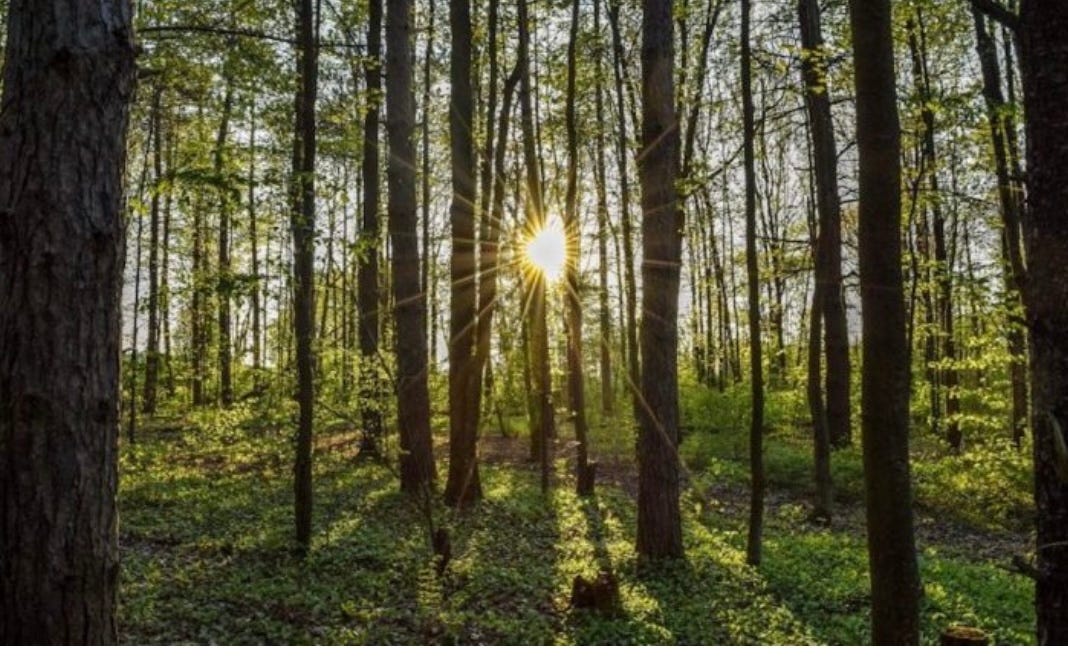
My heart sank as my eyes confirmed what I knew would be the result of the “selectively cut” woodlot. Selective cutting, as I’ve heard the term used too often over the years, is a non-specific labeling of any sort of harvest that isn’t a clearcut, but, unfortunately, can be even more silviculturally unsound than cutting everything. The criteria for a selective cut that is sound forestry, however, are both specific and restrictive.
Over-cutting opens up the remaining trees to the wind. Without the buffering effect of their former neighbors, nor the steadying support of interlocking upper branches, as they all sway together, many trees can be blown down. The more open forest, especially in sloping terrain, makes it more susceptible to erosion. The trunks of those remaining trees that were in shade are now exposed to full sun, often resulting in tree mortality from sun “scald.” In addition, choosing only the high value trees to cut and leaving behind the inferior ones is no way to set the stage for the next harvest.
Many years ago I did a timber harvest on a woodlot co-owned by two sisters who lived in Massachusetts. I selected the trees to cut and, therefore, the trees to leave standing. I was careful to not seriously deplete, and, thus, devalue the woodlot in terms of species composition or stand density, leaving an assortment of trees of uneven age and size.
A decade or so later, the owners called me and asked me if any wood could be cut at that time. I told them it was too soon to cut again, but since I was curious about the woodlot’s response to my harvest, I said I would go see how things looked. All looked good, crowns had spread and trees were maturing, but it was not time to cash in on this investment, which was increasing in value each growing season. I called and gave them that advice, which they heeded.
More time passed, and I got another call from them. Unfortunately, I had a lot of work ahead of me, and, because of those commitments, was unable to help them. I told them I was sure the woodlot could sustainably support a moderate harvest, but for various reasons, a timber harvest didn’t take place at that time.
Time marched on, I became a senior citizen, and was recently called by the daughter/niece of the woodlot owners. She was planning, with her husband, to buy the property from them, and wanted to meet with me. She told me the property had been selectively cut just a couple years ago, but the sisters weren’t particularly happy with that harvest. I decided to meet up with them, both to check out my former worksite and bio-science project, and to meet these new, enthusiastic, future land stewards.
So it was that I found myself looking out over what was left of their “working forest,” the aftermath of the promised selective cutting. Far too many trees had been removed, opening it up to the ravages of wind. Some nice young pines had been left standing as a nod to leaving behind some trees of value. Unfortunately, too many were now horizontal. Their “full sails” had caught the wind, and their roots, clutching earth, were pulled from the forest floor as they toppled, leaving craters behind.
We walked across and around some of the woodlot so they could get their bearings, all the time discussing the growing and harvesting of trees, the composition of their remaining forest, and remedial actions that could be taken to aid and hasten its recovery. In spite of the current state of those woods, these folks were optimistic and undeterred in their resolve to establish this foothold in the Maine woods. Their high energy and enthusiasm were refreshing, and I very much enjoyed the time I spent with them. It is highly likely that in transforming their woodlot, they will transform themselves and their three young sons as well. I wish them well, and look forward to and will enjoy seeing that symbiotic relationship unfold!